
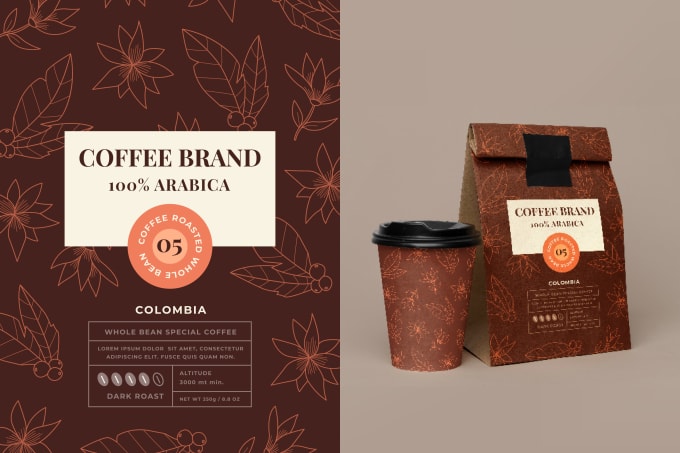
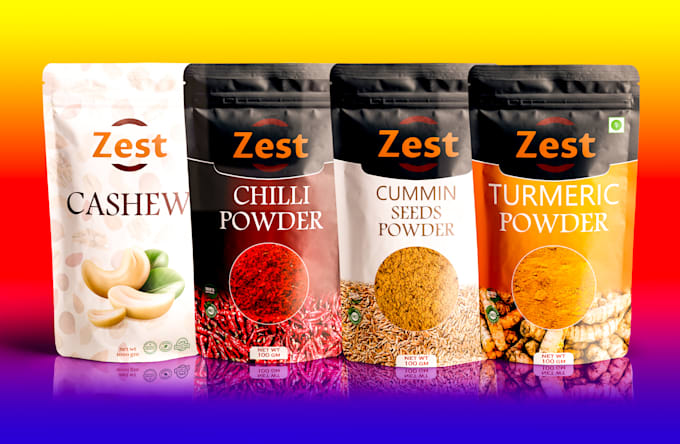
Packaging design refers to the process of creating the exterior of a product package, including the graphics, typography, colors, and materials used. The main purpose of packaging design is to attract the attention of potential customers, convey brand messaging, and provide necessary information about the product inside.
A successful packaging design should be visually appealing, functional, and in line with the brand's overall image and marketing strategy. It should also take into consideration factors such as the product's size, shape, weight, and fragility, as well as any legal or regulatory requirements.
The packaging design process typically involves gathering information about the product and target audience, developing design concepts, creating prototypes, and testing and refining the design based on feedback. It may also involve working with manufacturers and printers to ensure that the final product meets all specifications and requirements.
Overall, packaging design plays a crucial role in the success of a product by influencing consumer perception, increasing brand recognition, and ultimately driving sales.

1. Research and gather information:
Before starting the packaging design process, it is important to conduct research and gather information about the product, its target audience, and the market competition. This includes understanding the product's features and benefits, as well as any technical requirements or limitations for packaging. It is also important to conduct market research to understand the target audience's preferences, needs, and behaviors related to packaging. Additionally, researching the competition can help identify opportunities to differentiate the product through unique packaging design.
Once all the necessary information is gathered, it can be used to develop a design brief that outlines the key requirements and objectives for the packaging design project. This brief serves as a roadmap for the design process and helps ensure that all stakeholders are aligned on the design goals.
2. Create a design brief:
A design brief is a document that outlines the goals and requirements for a packaging design project. It serves as a guide for designers to follow and helps ensure that the final product meets the client's needs and expectations. A design brief typically includes:
Background information: This section provides an overview of the product, its target audience, and any other relevant details.
Objectives: This section outlines the specific goals and objectives for the packaging design project. For example, the client may want to increase sales, improve brand recognition, or target a new market segment.
Design specifications: This section details the specific requirements for the packaging design, including size, shape, materials, and printing specifications.
Brand guidelines: If the packaging design is part of a larger branding initiative, this section will include guidelines for color, typography, and other brand elements.
Budget and timeline: This section outlines the budget and timeline for the project, including any milestones or deadlines that need to be met.
By creating a comprehensive design brief, clients and designers can ensure that everyone is on the same page and working towards the same goals.
3. Brainstorm and conceptualize:
During this stage, the designer will use the information gathered in the previous stages to come up with ideas and concepts for the packaging design. They may create sketches or mockups to explore different possibilities and refine the design direction.
This stage is all about creativity and exploration, with the designer pushing boundaries and trying out new ideas. It's important to consider the target audience and brand requirements during this stage to ensure the design resonates with the intended audience and reflects the brand's personality.
Once the designer has a range of concepts to work with, they will typically present them to the client for feedback and direction. This leads into the next stage of the process: refinement.
4. Refine the design:
5. Create prototypes:
Creating prototypes is an important step in the packaging design process as it allows you to test the design and make necessary adjustments before producing the final product. Prototypes can be created using a variety of materials, such as paper, cardboard, or even 3D printing.
The purpose of creating prototypes is to test the functionality and aesthetics of the design. For example, you may want to test how the product fits inside the packaging, whether the packaging is secure enough to protect the product during shipping, and if the design elements are visually appealing and easy to read.
Once the prototypes have been created, you can test them with potential customers or stakeholders to gather feedback and make any necessary adjustments before moving on to the final production stage.
6. Test and evaluate:
Testing and evaluation are crucial steps in the packaging design process. It's essential to get feedback from your target audience and make any necessary adjustments before the product goes to market.
One way to test your packaging design is through focus groups or surveys. These methods can help you gather feedback from potential customers and identify any issues or areas for improvement.
Another way to evaluate your packaging design is to conduct a mock-up or prototype test. This test can help you identify any flaws in the design, such as structural weaknesses or difficulty in opening the package.
Once you've received feedback and made any necessary adjustments, it's time to move forward with finalizing the packaging design and preparing for production.
7. Finalize and prepare for production:
Once the design has been refined and prototypes have been created and tested, it's time to finalize the design and prepare for production. This involves making any final tweaks or adjustments to the design based on feedback, ensuring that all necessary information is included on the packaging, and preparing the design files for printing.
It's important to work closely with your printer during this stage to ensure that the design is properly prepared for production. This may involve providing specific file formats or color profiles, as well as discussing any special requirements for the printing process.
Once the design is finalized and the files are ready, it's time to begin the production process. This may involve working with a packaging manufacturer or printer to produce the packaging at scale, and ensuring that the final product meets all necessary quality standards.
8. Launch and monitor:
Launching a product with a new packaging design is an exciting moment, but it's not the end of the packaging design process. It's important to monitor the success of the packaging design and make adjustments as needed. This includes gathering feedback from customers, tracking sales data, and monitoring any issues that arise with the packaging during distribution.
Regularly reviewing and analyzing the packaging design can help identify areas for improvement and ensure that the packaging continues to meet the needs and preferences of consumers. By staying proactive and responsive to feedback, you can ensure that your packaging design remains effective and competitive in the marketplace.


.jpg)


.jpg)

.jpg)


0 Comments