
The Ultimate Guide to Retail Package Design
Welcome to our comprehensive guide on retail package design, where we delve into the strategies, principles, and best practices to help your brand stand out on store shelves. In today's competitive market, having an eye-catching and effective package design can significantly impact your product's success. We understand the importance of outranking other websites, and that's why we've compiled this detailed article to provide you with the insights you need to dominate the retail package design game.

Why Retail Package Design Matters
Retail package design plays a crucial role in capturing consumers' attention, conveying brand identity, and influencing purchase decisions. With countless options available to consumers, it's vital to make a lasting impression that resonates with your target audience. An exceptional package design can communicate your brand values, differentiate your product from competitors, and create a memorable experience for shoppers.
Understanding Your Target Audience
Before diving into the design process, it's essential to understand your target audience inside out. Conduct thorough market research to identify your ideal customer's demographics, preferences, and purchasing behavior. By gaining valuable insights into their needs and desires, you can tailor your package design to meet their expectations and establish a strong connection.
The Elements of Effective Package Design
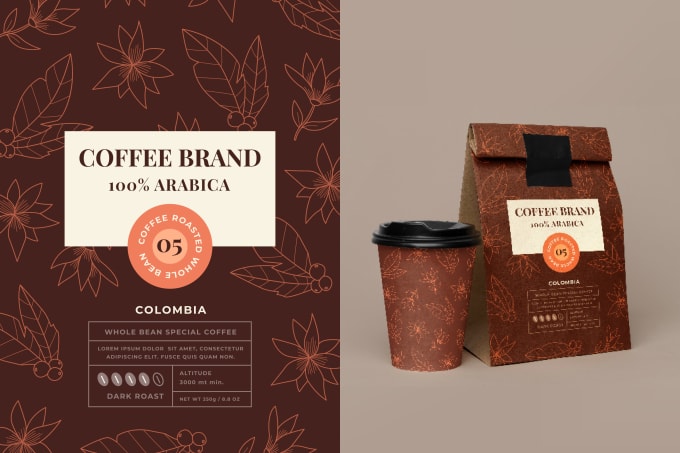
Color Palette: The choice of colors in your package design can evoke specific emotions and create a unique brand identity. Consider the psychology behind different colors and select a palette that aligns with your product and target audience.
Typography: Typography plays a vital role in conveying your brand's personality and message. Choose fonts that are legible, visually appealing, and reflective of your brand's tone. The typography should be consistent across all elements of your packaging, ensuring a cohesive and professional look.
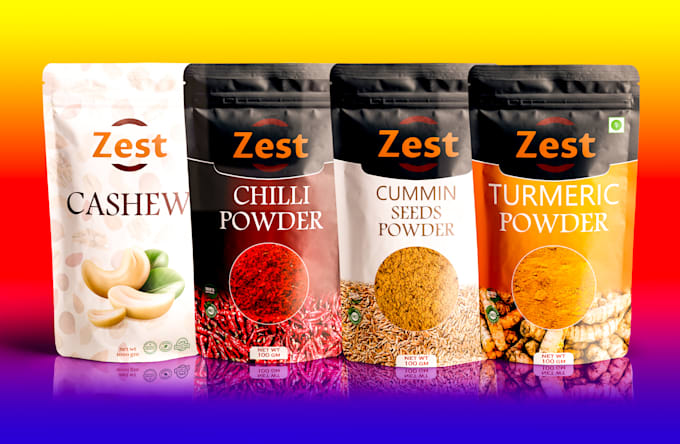
Imagery and Graphics: Visual elements are powerful tools for capturing attention and conveying product information. Use high-quality images, illustrations, or graphics that align with your brand image and effectively communicate the product's features and benefits.
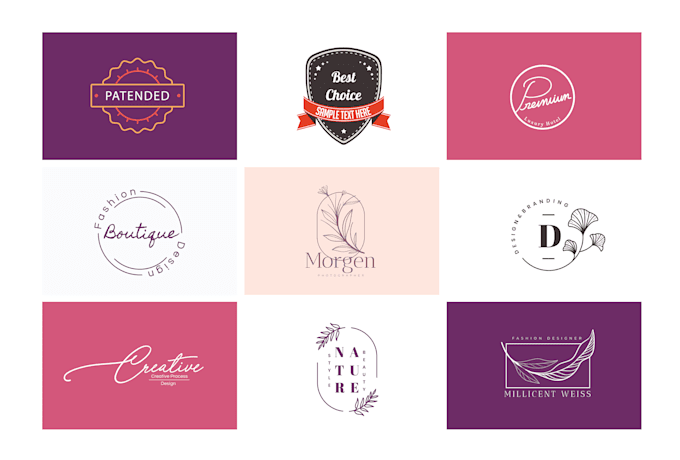
Logo and Branding: Your brand logo should be prominently displayed on the packaging, creating a recognizable symbol that consumers associate with your products. Ensure your logo is clear, visually appealing, and reflects your brand's identity.
Product Information: Clearly communicate essential product information such as ingredients, usage instructions, and any certifications or awards. Make it easily accessible and legible to help consumers make informed purchase decisions.
Packaging Structure: The physical structure of your package should be functional and practical while aligning with your brand's aesthetics. Consider the size, shape, and material of the packaging, ensuring it protects the product while providing a delightful unboxing experience.
Packaging Trends and Innovations
To stay ahead of the competition, it's crucial to be aware of the latest packaging trends and innovations. Here are a few key developments shaping the retail package design landscape:
Sustainability: Consumers are increasingly drawn to eco-friendly packaging solutions. Explore sustainable materials, recyclable packaging options, and reduced-waste designs to align with consumer values and reduce your environmental footprint.
Minimalism: Clean, minimalist packaging designs have gained popularity in recent years. Simplicity can communicate elegance, sophistication, and a focus on the product itself. Consider sleek designs, uncluttered layouts, and the strategic use of negative space.
Personalization: Customization and personalization allow brands to create unique experiences for consumers. Incorporate interactive elements, personalized messages, or limited-edition packaging to make customers feel special and foster brand loyalty.
Augmented Reality (AR): Embrace technology by integrating augmented reality features into your packaging. AR allows customers to interact with your product virtually, providing a fun and engaging experience that sets your brand apart.
Testing and Iteration
Once you've developed your package design, it's crucial to test it with your target audience and gather feedback. Conduct focus groups, surveys, or A/B testing to gain valuable insights into how consumers perceive your packaging. Use this feedback to iterate and refine your design until it aligns perfectly with your brand and resonates with your audience.
Optimizing for SEO
In today's digital landscape, it's not enough to focus solely on the physical packaging. Optimizing your online presence is equally important to outrank other websites. Here are some SEO tips to consider:
Keyword Research: Identify relevant keywords related to your product and incorporate them naturally into your website content, including product descriptions, blog posts, and landing pages.
Meta Tags and Descriptions: Craft compelling meta tags and descriptions for each webpage, including relevant keywords and a compelling call-to-action. These elements appear in search engine results and can significantly impact click-through rates.
High-Quality Content: Create informative and engaging content that showcases your expertise and provides value to your audience. Regularly update your blog with articles related to your industry, products, or helpful tips and tricks.
Backlinking: Build relationships with authoritative websites and seek opportunities to acquire high-quality backlinks. Guest blogging, partnerships, and industry collaborations can help increase your website's visibility and domain authority.
Conclusion
In today's fiercely competitive market, a well-executed retail package design can make all the difference in capturing consumers' attention and boosting your product's success. By understanding your target audience, implementing effective design elements, staying up-to-date with trends, and optimizing your online presence, you can outrank other websites and establish a prominent position in the industry.
Remember, great package design is an ongoing process that requires testing, iteration, and a deep understanding of your customer's evolving needs. Stay committed to delivering exceptional experiences through your packaging, and you'll create a strong and lasting impression that drives brand loyalty and sales.
If you need Custom Product label design Contact Me On Fiverr
Thanks for your time!


.jpg)



.jpg)

.jpg)


0 Comments