
A Comprehensive Guide to CBD/Hemp Product Labels
Welcome to our comprehensive guide on CBD/Hemp product labels. As the CBD industry continues to grow rapidly, it's essential for brands to understand the importance of effective and compliant product labeling. In this article, we will delve into the key elements, regulations, and best practices for designing CBD/Hemp product labels that not only meet legal requirements but also resonate with consumers. Let's dive in!

The Importance of CBD/Hemp Product Labels
CBD/Hemp product labels serve multiple purposes. They provide essential information to consumers, ensure compliance with regulations, and contribute to brand differentiation. Well-designed labels can communicate product quality, potency, usage instructions, and other vital details that empower consumers to make informed purchasing decisions. Additionally, labels play a crucial role in building trust and establishing credibility in the competitive CBD market.
Key Elements of CBD/Hemp Product Labels
Product Name: Clearly display the product name on the label. Ensure it accurately represents the CBD/Hemp product and aligns with your brand identity.
CBD/Hemp Content: Specify the CBD or Hemp content on the label, usually in milligrams (mg). This information helps consumers understand the potency and dosage of the product.
Ingredients: List all the ingredients used in the product, including the CBD or Hemp extract source. Transparency is crucial, as consumers with specific allergies or dietary preferences need to know what they are consuming.
Third-Party Testing: Include information about third-party testing. Display the lab's name, the test results, and any certifications or seals of approval. This enhances transparency and builds trust with consumers.
Usage Instructions: Provide clear instructions on how to use the product. Include dosage guidelines, suggested applications, and any precautions or warnings. This information helps consumers use the product safely and effectively.
Batch/lot number: Assign a unique batch or lot number to each product. This facilitates traceability, quality control, and product recall if necessary.
Net Weight/Volume: Clearly state the net weight or volume of the product. This information is vital for consumers to understand the quantity they are purchasing.
Manufacturer/Brand Information: Include the name and contact information of the manufacturer or brand. This allows consumers to reach out with inquiries or feedback.
QR Codes: Consider adding a QR code that links to additional product information, such as lab reports, product certifications, or educational resources. This enhances transparency and provides easy access to valuable information.
Compliance with Regulations
It is crucial to comply with the applicable regulations when designing CBD/Hemp product labels. Here are some key considerations:
FDA Guidelines: The U.S. Food and Drug Administration (FDA) provides guidelines for labeling dietary supplements and food products. Although CBD products are not yet fully regulated by the FDA, it is essential to follow their recommendations to ensure compliance and consumer safety.
Hemp Farming Act: In the United States, CBD products derived from hemp must comply with the regulations outlined in the Hemp Farming Act. Ensure that your labels accurately represent the CBD or Hemp content, adhere to THC limits, and comply with any other requirements specific to your jurisdiction.
State-Specific Regulations: Be aware of state-specific regulations that govern the labeling of CBD products. Some states may have additional requirements or restrictions on labeling and packaging.
Designing Engaging and Informative Labels
To create labels that captivate consumers and effectively communicate your brand's message, consider the following tips:
Clear and Legible: Use clear and legible fonts, ensuring that all text is easily readable. Consider font size, color contrast, and formatting to enhance clarity.
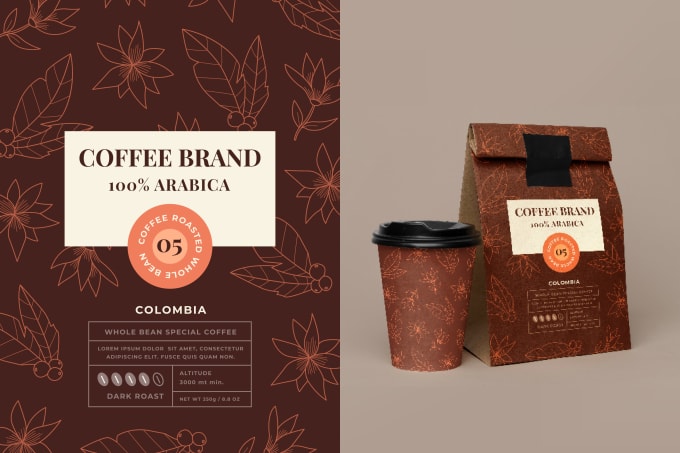
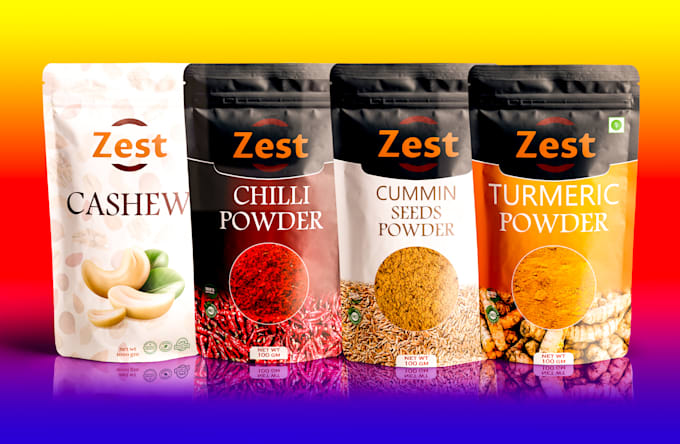
Brand Identity: Infuse your brand's visual identity into the label design. Use consistent colors, fonts, and design elements that align with your overall branding.
Visual Elements: Incorporate appealing visuals that resonate with your target audience. These may include relevant imagery, illustrations, or icons that enhance the product's appeal and communicate its benefits.
Label Size and Shape: Choose a label size and shape that fits your packaging appropriately. Ensure that all required information is clearly visible and that the label adheres securely to the product packaging.
Compliance Warning: If required by regulations, include any necessary compliance warnings, such as "For adult use only" or "Not suitable for pregnant or nursing women."

Conclusion
Crafting effective CBD/Hemp product labels is vital for complying with regulations, providing essential information to consumers, and differentiating your brand in the competitive CBD market. By incorporating key elements, complying with regulations, and designing engaging labels that reflect your brand's identity, you can build trust, captivate consumers, and drive the success of your CBD/Hemp products.
Remember, staying up-to-date with evolving regulations and consumer preferences is essential to ensure your labels remain compliant and appealing to your target audience. By prioritizing transparency, quality, and customer satisfaction, you can create CBD/Hemp product labels that elevate your brand and resonate with consumers.
If you need Custom Product label design Contact Me On Fiverr
Thanks for your time!


.jpg)



.jpg)

.jpg)


0 Comments