
How to best present a product to the market

Define your target audience:
Defining your target audience involves identifying the specific group of people who are most likely to be interested in and benefit from your product or service. This includes analyzing their demographic, psychographic, and behavioral characteristics.
Demographic characteristics include age, gender, income, education level, occupation, and location. Psychographic characteristics include interests, values, beliefs, personality traits, and lifestyle. Behavioral characteristics include purchasing habits, decision-making processes, and brand loyalty.
To define your target audience, you should conduct market research to gain insights into these characteristics. This can involve surveys, focus groups, or analyzing existing customer data. By understanding your target audience, you can create a more effective marketing strategy that speaks directly to their needs and desires.
Determine your unique selling proposition (USP):
Your unique selling proposition (USP) is the unique benefit or advantage that sets your product or service apart from competitors and makes it more appealing to your target audience. To determine your USP, you should consider the following:
Identify your target audience: Consider the specific needs and desires of your target audience and how your product can address those needs better than your competitors.
Analyze your competition: Evaluate your competitors and identify what makes your product different and better than theirs.
Highlight your strengths: Identify the key features and benefits of your product and highlight those that are unique or offer a significant advantage over competitors.
Determine your value proposition: Consider the overall value that your product provides to customers, including quality, convenience, price, and customer service.
Communicate your USP: Develop a clear and concise message that communicates your USP to your target audience. This message should be used consistently in all marketing materials to reinforce the unique value of your product.
By determining your USP, you can differentiate your product from competitors and create a compelling marketing message that resonates with your target audience.
Develop a marketing plan:
Developing a marketing plan involves creating a comprehensive strategy to reach your target audience and promote your product or service. Here are the key steps involved in developing a marketing plan:
Define your marketing goals: Identify the specific goals and objectives you want to achieve through your marketing efforts, such as increasing sales, brand awareness, or customer engagement.
Identify your target audience: Clearly define your target audience based on their demographic, psychographic, and behavioral characteristics. This will help you tailor your marketing messages to their specific needs and preferences.
Analyze your competition: Conduct a competitive analysis to identify your competitors, their strengths and weaknesses, and the key trends in your industry.
Develop a messaging strategy: Develop a messaging strategy that clearly communicates the unique value of your product or service to your target audience. This should include your unique selling proposition (USP) and key messaging points.
Determine your marketing channels: Identify the marketing channels you will use to reach your target audience, such as social media, email marketing, influencer marketing, or paid advertising.
Create a content strategy: Develop a content strategy that aligns with your messaging strategy and marketing channels. This should include creating high-quality content that informs, educates, or entertains your target audience.
Set a budget: Determine the budget you have available for marketing and allocate resources accordingly. This may involve prioritizing certain channels or campaigns based on their potential ROI.
Set KPIs: Define key performance indicators (KPIs) that will help you measure the success of your marketing efforts. This may include metrics such as website traffic, social media engagement, or sales conversions.
Monitor and adjust: Continuously monitor the performance of your marketing campaigns and adjust your strategy as needed based on the results. This may involve experimenting with different channels, adjusting messaging, or reallocating resources.
By developing a comprehensive marketing plan, you can effectively reach your target audience and achieve your marketing goals.
Create a brand identity:
Creating a strong brand identity involves developing a clear and consistent visual and messaging strategy that communicates the values and personality of your brand to your target audience. Here are the key steps involved in creating a brand identity:
Define your brand values: Identify the core values and beliefs that your brand stands for, and develop messaging that clearly communicates these values to your target audience.
Develop a brand personality: Define the personality of your brand, including its tone of voice, language, and style. This should be consistent across all marketing channels and messaging.
Create a brand name and tagline: Develop a memorable and catchy brand name and tagline that reflects your brand identity and is easy to remember.
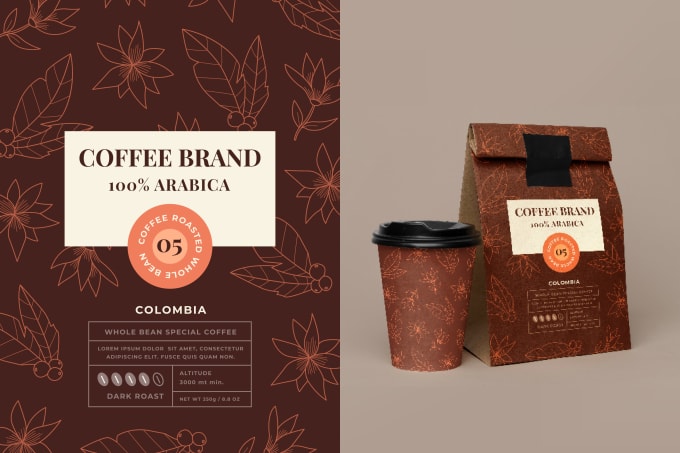
Design a logo and visual identity: Design a logo and visual identity that reflects the personality and values of your brand. This should include color palettes, typography, and imagery that are consistent across all marketing materials.
Develop brand guidelines: Develop a set of brand guidelines that outline how your brand identity should be used across all marketing channels. This should include guidelines for typography, color usage, imagery, and messaging.
Implement your brand identity: Implement your brand identity across all marketing channels, including your website, social media, packaging, and advertising.
Monitor and refine your brand identity: Continuously monitor the performance of your brand identity and refine it as needed based on feedback and results.
By creating a strong brand identity, you can differentiate your brand from competitors and create a consistent and memorable experience for your target audience.
Leverage customer reviews and testimonials:
Leveraging customer reviews and testimonials is an effective way to build credibility and trust with potential customers. Here are some key steps to leverage customer reviews and testimonials:
Encourage customers to leave reviews: Encourage your customers to leave reviews of your product or service on your website, social media channels, or review sites like Yelp or Google Reviews. You can do this by including a call-to-action (CTA) on your website or by sending follow-up emails to customers after they make a purchase.
Respond to reviews: Respond to both positive and negative reviews in a professional and helpful manner. Thank customers for their positive feedback and address any concerns or issues raised in negative reviews.
Highlight positive reviews: Highlight positive reviews on your website or social media channels. This could include featuring customer testimonials on your homepage, sharing positive reviews on social media, or including them in your advertising campaigns.
Use customer feedback to improve your product or service: Use customer feedback to improve your product or service. Analyze customer reviews and look for common themes or issues that need to be addressed.
Provide incentives for leaving reviews: Offer incentives like discounts or free products to customers who leave reviews. This can encourage more customers to leave reviews and provide valuable feedback.
By leveraging customer reviews and testimonials, you can build trust and credibility with potential customers, improve your product or service, and ultimately drive sales and revenue.
Use high-quality visuals:
Using high-quality visuals is crucial for effectively presenting your product to the market. Here are some key steps to ensure your visuals are of high quality:
Use professional photography: Use professional photography to showcase your product. This includes taking high-resolution images that show your product in different angles and settings.
Create engaging videos: Create engaging videos that showcase your product in action. This could include product demos, tutorials, or testimonials from happy customers.
Use 3D renderings: Use 3D renderings to showcase your product from all angles. This can be especially useful for products that are difficult to photograph or that have complex features.
Consistent branding: Ensure that your visuals are consistent with your brand identity. Use consistent color palettes, fonts, and imagery that reflect your brand's personality and values.
Optimize for different channels: Optimize your visuals for different marketing channels, such as social media, email marketing, and your website. This may involve resizing images or creating different versions of your visuals that are optimized for different platforms.
Test and iterate: Test different visuals with your target audience to see which ones resonate the most. Use the insights gained to iterate and improve your visuals over time.
By using high-quality visuals, you can make a strong impression on potential customers and increase the likelihood of them making a purchase.
Offer promotions and incentives:
Offering promotions and incentives is an effective way to attract new customers and encourage repeat purchases. Here are some key steps to offering promotions and incentives:
Define your goals: Define the goals of your promotion, such as increasing sales, clearing inventory, or attracting new customers.
Choose the right promotion: Choose the right promotion that aligns with your goals and resonates with your target audience. This could include discounts, buy-one-get-one-free offers, free shipping, or loyalty programs.
Set clear terms and conditions: Set clear terms and conditions for your promotion, including the start and end dates, the discount or incentive being offered, and any restrictions or limitations.
Promote your promotion: Promote your promotion across all marketing channels, including your website, social media, email marketing, and advertising. Use compelling visuals and messaging to attract attention and generate interest.
Track and measure results: Track and measure the results of your promotion to see how it's performing. This could include tracking sales, website traffic, or social media engagement. Use these insights to optimize your promotion and make improvements for future promotions.
Offer incentives for referrals: Offer incentives for customers who refer new customers to your business. This could include discounts, free products, or exclusive access to new products.
By offering promotions and incentives, you can attract new customers, encourage repeat purchases, and increase brand loyalty. However, it's important to ensure that your promotions are aligned with your business goals and don't cannibalize your profits.
Continuously monitor and improve:
Continuously monitoring and improving your product marketing efforts is crucial to achieving long-term success. Here are some key steps to continuously monitor and improve your marketing:
Set clear goals: Set clear goals for your marketing efforts, such as increasing sales, improving brand awareness, or generating leads.
Measure your results: Measure the results of your marketing efforts using key performance indicators (KPIs), such as website traffic, conversion rates, social media engagement, and customer feedback.
Analyze your data: Analyze your data to identify areas where you can improve your marketing efforts. Look for trends and patterns in customer behavior and use this information to make data-driven decisions.
Experiment and test: Experiment with different marketing strategies and test them to see what works best for your business. This could include testing different ad copy, imagery, or targeting.
Stay up-to-date: Stay up-to-date with the latest marketing trends and technologies. Attend industry events, read marketing blogs and publications, and follow thought leaders on social media to stay informed.
Solicit customer feedback: Solicit feedback from your customers to identify areas where you can improve your product and marketing efforts. Use this feedback to make improvements and build stronger relationships with your customers.
By continuously monitoring and improving your marketing efforts, you can stay ahead of the competition, build stronger relationships with your customers, and achieve long-term success.
Thanks!


.jpg)




.jpg)

.jpg)


0 Comments