
Problems with Packaging Design Today?
Packaging design plays a critical role in the success of a product. It is responsible for creating a first impression and attracting customers to the product. Here are some important roles of packaging design:

Protection:
Packaging protection refers to the measures taken to ensure that the product remains safe and intact during transportation, storage, and handling. Here are some ways in which packaging design can provide protection to the product:
Cushioning: Packaging materials such as bubble wrap, foam, or paper can be used to cushion the product and protect it from impact during transportation.
Sealing: Packaging design should ensure that the product is sealed properly to prevent contamination or tampering. Seals can also prevent moisture, air, and light from damaging the product.
Durability: Packaging design should be sturdy and durable to withstand the rigors of transportation and handling. The design should be able to withstand rough handling, stacking, and exposure to the elements.
Customization: Packaging design can be customized to fit the shape and size of the product. Customization can ensure that the product is snugly fit and less likely to move around during transportation.
Temperature control: Packaging design should provide insulation to protect the product from extreme temperatures during transportation and storage. Insulated packaging can keep the product at the optimal temperature and prevent spoilage.
In summary, packaging protection is crucial in ensuring that the product reaches the customer in good condition. Packaging design can provide protection through cushioning, sealing, durability, customization, and temperature control.
Identification:
Packaging identification refers to the use of packaging design to help customers identify and differentiate a product from other similar products. Here are some ways in which packaging design can aid identification:
Product information: Packaging design should display product information such as the product name, brand, logo, and features prominently. This helps customers to identify the product and distinguish it from other similar products.
Product image: Packaging design can include an image of the product, which helps customers to visualize the product and make a purchase decision.
Color and typography: Packaging design can use specific colors and typography to create a distinctive brand identity and help customers recognize the product easily.
Packaging size and shape: Packaging design can be customized to fit the product's size and shape, making it easier for customers to identify and differentiate it from other similar products.
Barcode and QR code: Packaging design can include a barcode or QR code, which can be scanned to obtain product information or track the product's journey through the supply chain.
In summary, packaging identification is crucial in helping customers identify and differentiate a product from other similar products. Packaging design can aid identification through product information, product image, color and typography, packaging size and shape, and barcode or QR code.
Communication:
Packaging communication refers to the use of packaging design to effectively communicate the product's message, value, and features to the target audience. Here are some ways in which packaging design can aid communication:
Product information: Packaging design should clearly display important product information such as ingredients, nutritional information, usage instructions, and any other relevant information that helps the customer make an informed purchase decision.
Benefits and features: Packaging design can highlight the product's benefits and features, making it easier for the customer to understand the value of the product.
Visual communication: Packaging design can use images, graphics, and other visual elements to communicate the product's message and value. These visuals can help the customer to quickly and easily understand the product and its benefits.
Brand identity: Packaging design should reflect the brand's identity, values, and personality. This can help the customer to associate the product with the brand and build brand loyalty.
Sustainability messaging: Packaging design can communicate the product's environmental credentials, such as its use of sustainable materials or its recyclability, which can appeal to environmentally conscious customers.
In summary, packaging communication is crucial in effectively communicating the product's message, value, and features to the target audience. Packaging design can aid communication through product information, benefits and features, visual communication, brand identity, and sustainability messaging.
Branding:
Packaging branding refers to the use of packaging design to reflect the brand's identity, values, and personality. Here are some ways in which packaging design can aid branding:
Brand name and logo: Packaging design should prominently display the brand's name and logo, making it easier for the customer to associate the product with the brand.
Colors and typography: Packaging design can use specific colors and typography to create a distinctive brand identity and help customers recognize the brand easily.
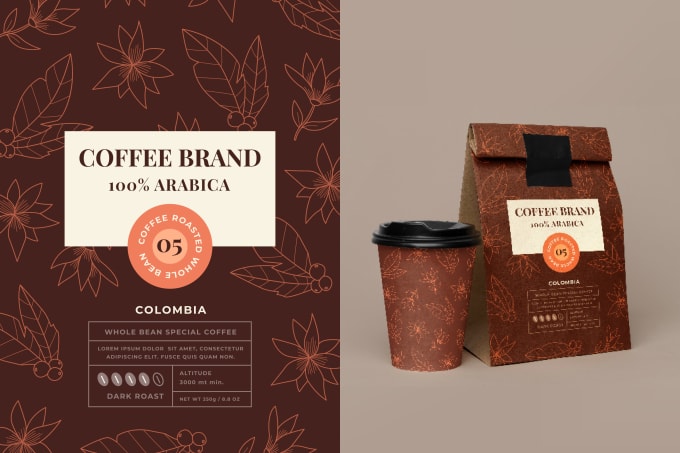
Design elements: Packaging design can use design elements such as patterns, shapes, and symbols to create a unique brand identity and differentiate the brand from competitors.
Consistency: Packaging design should maintain consistency with the brand's overall visual identity, including its website, advertising, and other marketing materials.
Emotional connection: Packaging design can create an emotional connection with the customer by using storytelling, imagery, and other design elements to convey the brand's values and personality.
In summary, packaging branding is crucial in building brand recognition and loyalty among customers. Packaging design can aid branding through the brand name and logo, colors and typography, design elements, consistency, and emotional connection.
Marketing:
Packaging marketing refers to the use of packaging design as a marketing tool to promote the product and increase sales. Here are some ways in which packaging design can aid marketing:
Eye-catching design: Packaging design should be visually appealing and eye-catching, making it stand out on the shelves and attract the customer's attention.
Differentiation: Packaging design can differentiate the product from competitors by using unique design elements, such as color, typography, or graphics.
Product promotion: Packaging design can promote the product's features and benefits, making it more appealing to the customer.
Limited edition or seasonal packaging: Packaging design can create a sense of exclusivity and urgency by introducing limited edition or seasonal packaging, encouraging customers to make a purchase.
Cross-selling: Packaging design can promote other products in the brand's portfolio, encouraging customers to try other products.
Interactive packaging: Packaging design can include interactive elements, such as augmented reality, QR codes, or scannable offers, making the packaging more engaging and memorable.
In summary, packaging marketing is crucial in promoting the product and increasing sales. Packaging design can aid marketing through eye-catching design, differentiation, product promotion, limited edition or seasonal packaging, cross-selling, and interactive packaging.
Packaging design Success Tips:
Here are some tips for successful packaging design:
Understand your target audience: Before designing the packaging, it's important to understand the target audience and their needs, preferences, and purchase behavior.
Prioritize functionality: While aesthetics are important, packaging design should prioritize functionality, such as protection, ease of use, and storage.
Be distinctive: Packaging design should be distinctive and stand out from competitors, making it easily recognizable and memorable.
Keep it simple: Simple and clear packaging design is more effective in communicating the product's message and value to the customer.
Be consistent: Packaging design should maintain consistency with the brand's overall visual identity, including its website, advertising, and other marketing materials.
Test and iterate: Packaging design should be tested with the target audience and iterated based on their feedback and behavior.
Consider sustainability: Packaging design should consider sustainability and minimize the impact on the environment, using eco-friendly materials and reducing waste.
Collaborate with experts: Packaging design can benefit from collaboration with experts, such as graphic designers, packaging engineers, and marketing professionals.
In summary, successful packaging design requires understanding the target audience, prioritizing functionality, being distinctive, keeping it simple, being consistent, testing and iterating, considering sustainability, and collaborating with experts.
Caution in Packaging Design
Here are some cautions to keep in mind when designing packaging:
Don't mislead customers: Packaging design should accurately represent the product and its features, and avoid making false or exaggerated claims.
Don't overlook functionality: While aesthetics are important, packaging design should prioritize functionality, such as protection, ease of use, and storage.
Don't sacrifice sustainability: Packaging design should consider sustainability and minimize the impact on the environment, using eco-friendly materials and reducing waste.
Don't forget legal requirements: Packaging design should comply with legal requirements, such as health and safety regulations, labeling requirements, and trademark laws.
Don't ignore the target audience: Packaging design should take into account the needs, preferences, and behavior of the target audience, and avoid using designs that could offend or alienate them.
Don't overspend on design: Packaging design should balance aesthetics with cost-effectiveness, avoiding overspending on design elements that don't add significant value to the product.
Don't overlook logistics: Packaging design should consider logistics, such as transportation and storage, and avoid designs that could create inefficiencies or extra costs.
In summary, caution should be exercised when designing packaging to avoid misleading customers, overlooking functionality or sustainability, ignoring legal requirements, offending the target audience, overspending on design, and overlooking logistics.


.jpg)




.jpg)

.jpg)


0 Comments