
Things to look out for before starting a business with a product.
Starting a business with a product can be a great way to bring your ideas to life and make a profit. However, before launching your product-based business, it's important to carefully consider a few key factors to increase your chances of success.
First, research the market demand for your product and ensure that there is a sustainable demand for it. Additionally, consider your target audience, competition, and production costs to determine whether you can produce and sell your product at a reasonable profit margin.
Marketing and distribution are also important factors to consider, as you'll need to effectively promote and sell your product. Be aware of any legal considerations related to starting a product-based business, such as obtaining patents or trademarks and complying with regulations.
By taking the time to consider these factors, you can increase your chances of building a successful and sustainable product-based business.

Market demand:
Market demand refers to the level of interest or desire that consumers have for a particular product or service. It is an essential factor to consider when starting a business, as it directly affects the potential success and profitability of the business.
Before launching a product-based business, it's important to research the market demand for your product. This involves understanding the needs and wants of your target audience, as well as identifying any gaps in the market that your product can fill.
Researching market demand can be done through surveys, focus groups, or online research. It's important to determine whether there is a sustainable demand for your product, as this will affect your ability to generate revenue and grow your business.
By understanding the market demand for your product, you can tailor your product and marketing efforts to effectively reach and engage your target audience, and increase your chances of building a successful and profitable business.
Target audience:
Target audience refers to the specific group of people who are most likely to be interested in and benefit from your product or service. Understanding your target audience is essential when starting a business, as it helps you tailor your product and marketing efforts to effectively reach and engage them.
To determine your target audience, you'll need to consider factors such as age, gender, location, interests, and behaviors. You can also use market research to gain insights into your target audience's needs, preferences, and pain points.
Once you have identified your target audience, you can tailor your product and marketing efforts to effectively reach and engage them. This may involve creating marketing messages that resonate with their interests and needs, choosing the right marketing channels to reach them, and ensuring that your product meets their specific needs and preferences.
By understanding your target audience and tailoring your product and marketing efforts to effectively reach them, you can increase your chances of building a successful and profitable business.
Competition:
Competition refers to the other businesses or products that offer similar solutions to the same customer needs or problems that your product does. It is important to consider competition when starting a business with a product, as it can have a significant impact on your ability to generate revenue and grow your business.
Researching your competition can help you understand their strengths and weaknesses, as well as identify any gaps in the market that you can fill. It can also help you determine how you can differentiate your product and make it stand out from competitors.
When researching your competition, consider factors such as their product features, pricing, marketing strategies, and target audience. Look for ways to differentiate your product, such as by offering additional features or a lower price point.
By understanding your competition and finding ways to differentiate your product, you can increase your chances of building a successful and profitable business. Additionally, keeping an eye on your competition and making adjustments to your product or marketing strategies as needed can help you stay ahead in the market.
Production costs:
Production costs refer to the expenses incurred in the process of creating a product or service. These costs can include raw materials, labor, utilities, rent or lease of facilities, equipment, transportation, and marketing expenses, among others. The total cost of production is calculated by adding up all the costs incurred during the production process.
The production costs can be divided into two categories: direct costs and indirect costs. Direct costs are expenses that are directly related to the production process, such as raw materials and labor costs. Indirect costs are expenses that are not directly related to the production process, such as rent and administrative costs.
Managing production costs is important for businesses to maintain profitability. Companies can use various strategies to reduce production costs, such as sourcing cheaper raw materials, improving production efficiency, and negotiating better deals with suppliers.
Marketing and distribution:
Marketing and distribution are essential components of any business's success.
Marketing refers to the strategies and tactics that businesses use to promote their products or services to potential customers. It includes advertising, branding, market research, public relations, and sales promotions. The goal of marketing is to attract and retain customers by creating awareness, interest, desire, and action towards the company's offerings.
Distribution refers to the methods used by businesses to make their products or services available to customers. It includes the physical distribution of products, such as shipping and delivery, as well as the channels used to sell the products, such as retail stores, online marketplaces, or direct sales. The goal of distribution is to ensure that the products are available to customers when and where they want them.
Effective marketing and distribution strategies can help businesses increase their visibility, attract new customers, and increase sales. Some common marketing and distribution strategies include:
Online advertising: advertising through social media platforms, Google ads, or influencer marketing.
Traditional advertising: advertising through print media, television, or radio.
Retail partnerships: partnering with retailers to sell products in their stores.
Direct sales: selling products directly to customers through online platforms or in-person sales.
E-commerce: selling products through online marketplaces or company-owned e-commerce websites.
Logistics management: ensuring efficient distribution of products by optimizing shipping and delivery processes.
Effective marketing and distribution strategies require careful planning, execution, and continuous evaluation to adapt to changing customer preferences and market conditions.
Legal considerations:
Legal considerations are an important aspect of any business operation. Companies must comply with applicable laws and regulations to avoid legal disputes, penalties, and damage to their reputation. Here are some key legal considerations for businesses:
Business structure: Choosing the right legal structure for the business, such as a sole proprietorship, partnership, LLC, or corporation, can affect the liability of the business and the taxation of its income.
Intellectual property: Protecting the company's intellectual property, including trademarks, patents, copyrights, and trade secrets, can help prevent infringement and ensure that the company has exclusive rights to its creations.
Contracts: Ensuring that all contracts are properly drafted and enforceable, including contracts with suppliers, customers, and employees, can help prevent disputes and protect the interests of the business.
Employment law: Complying with labor laws, such as minimum wage and overtime regulations, anti-discrimination laws, and worker safety regulations, can help prevent legal disputes and protect the company from liability.
Privacy law: Complying with data privacy regulations, such as the General Data Protection Regulation (GDPR) in Europe and the California Consumer Privacy Act (CCPA) in the United States, can help protect customer data and prevent legal disputes.
Environmental regulations: Complying with environmental regulations, such as waste disposal and emissions standards, can help prevent environmental damage and avoid legal penalties.
Tax law: Complying with tax regulations, including income tax, sales tax, and payroll tax, can help prevent legal disputes and avoid penalties and fines.
It is important for businesses to consult with legal professionals to ensure that they are complying with applicable laws and regulations and to develop effective legal strategies to protect their interests.
By carefully considering these factors before starting a business with a product, you can set yourself up for success and increase your chances of building a profitable and sustainable business.
How can I help you?
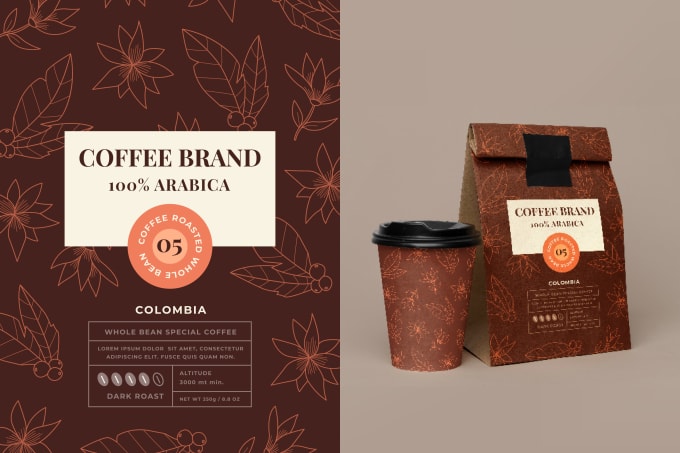
However, I can provide you with some tips and best practices for product label and packaging design:
Consider your target audience: Understand your target customers and design a label and packaging that appeals to them. This includes considering factors such as age, gender, lifestyle, and interests.
Keep it simple: A cluttered or complicated design can be overwhelming and confusing for customers. Keep your label and packaging design simple, with clear and concise information and a visually appealing design.
Highlight key information: Make sure to highlight important information such as the product name, key features, benefits, and usage instructions. This information should be easily visible and easy to read.
Use high-quality images and graphics: The quality of images and graphics used on your label and packaging can significantly impact customer perception of your product. Use high-quality images and graphics that are visually appealing and relevant to your product.
Use appropriate color schemes: The colors used on your label and packaging should reflect your brand identity and appeal to your target audience. Choose color schemes that are visually appealing and appropriate for the product.
Be creative: Don't be afraid to be creative with your label and packaging design. Unique and innovative designs can help your product stand out on the shelves and capture customers' attention.
Consider sustainability: As a product label and packaging designer, it's important to consider sustainability in your design. Use eco-friendly materials and design packaging that is recyclable or biodegradable.
By following these tips and best practices, you can create an effective and visually appealing label and packaging design for your product.
Thanks!


.jpg)




.jpg)

.jpg)


0 Comments